Why I made a photo-book
James Andrew Rosen
The concussion disrupted my life with a disorienting suddenness, as though someone had turned off the lights in a bustling room. What followed was a period of isolation, my own reluctant confinement within the dark corners of my apartment in Montreal. One day during my isolation, while looking through old family photographs, I was struck by the sense of loss that accompanied each image. The youthful faces of my grandparents, the faded colors, the crumbling edges—it was as if the decay in the physical photo mirrored the passing of the people within it. There was a melancholic beauty to this, a poignant reminder that the act of capturing a moment is only one part of its preservation. I wanted to find a way to combine the feeling those archival images evoked in me with the experience I was living today. I chose to make a book.
I've spent my life reaching for moments with a camera, knowing even as I press the shutter that they're already gone. The print fades with time, polaroids turn yellow, digital files become unreadable. They are no guarantee of permanence.
I began to create an archive of images that reflected the transient nature of existence. It was a study in contrasts, a visual representation of the tension between what lasts and what inevitably decays. The subject was not always clear, and the narrative was often elusive.
I realized the point was to sit with what keeps shifting and embrace it.
The resonance of any single image is magnified by those that precede and follow it. A photograph snapped impulsively years ago suddenly finds its purpose and place. These images, disparate as they may seem, collectively narrate a journey.
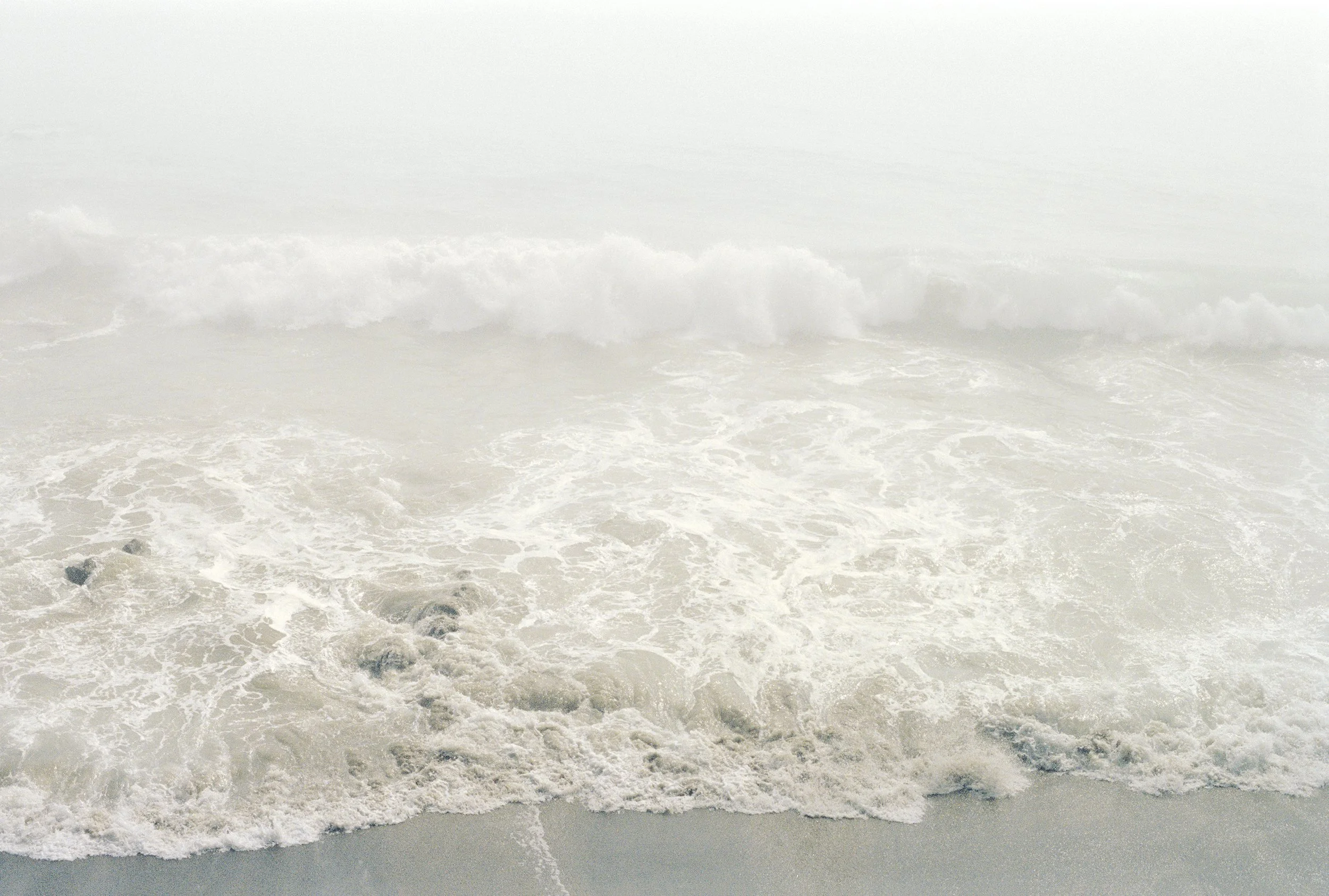
Image from Aphasia
Photography has been a lifelong pursuit for me, a medium through which I’ve amassed millions of images. It’s a representation of a life—my life—comprised of its fragmented, disjointed moments. This project is an endeavour to weave these fragments together, much like a film editor constructs a narrative from found footage. But here, the footage is my own, and I am piecing it together anew.
In bringing these images into the form of a book, I wanted to make something that could outlast the moment from which it emerged: an object with weight, something to hold, that would endure. The photographs may speak to the ephemeral nature of passing moments , but the book encases them like a vessel, through which these fragments might travel, be held by others, and perhaps remain for generations. Not as a denial of impermanence, but as a way of giving it form, beauty, and a place to endure.
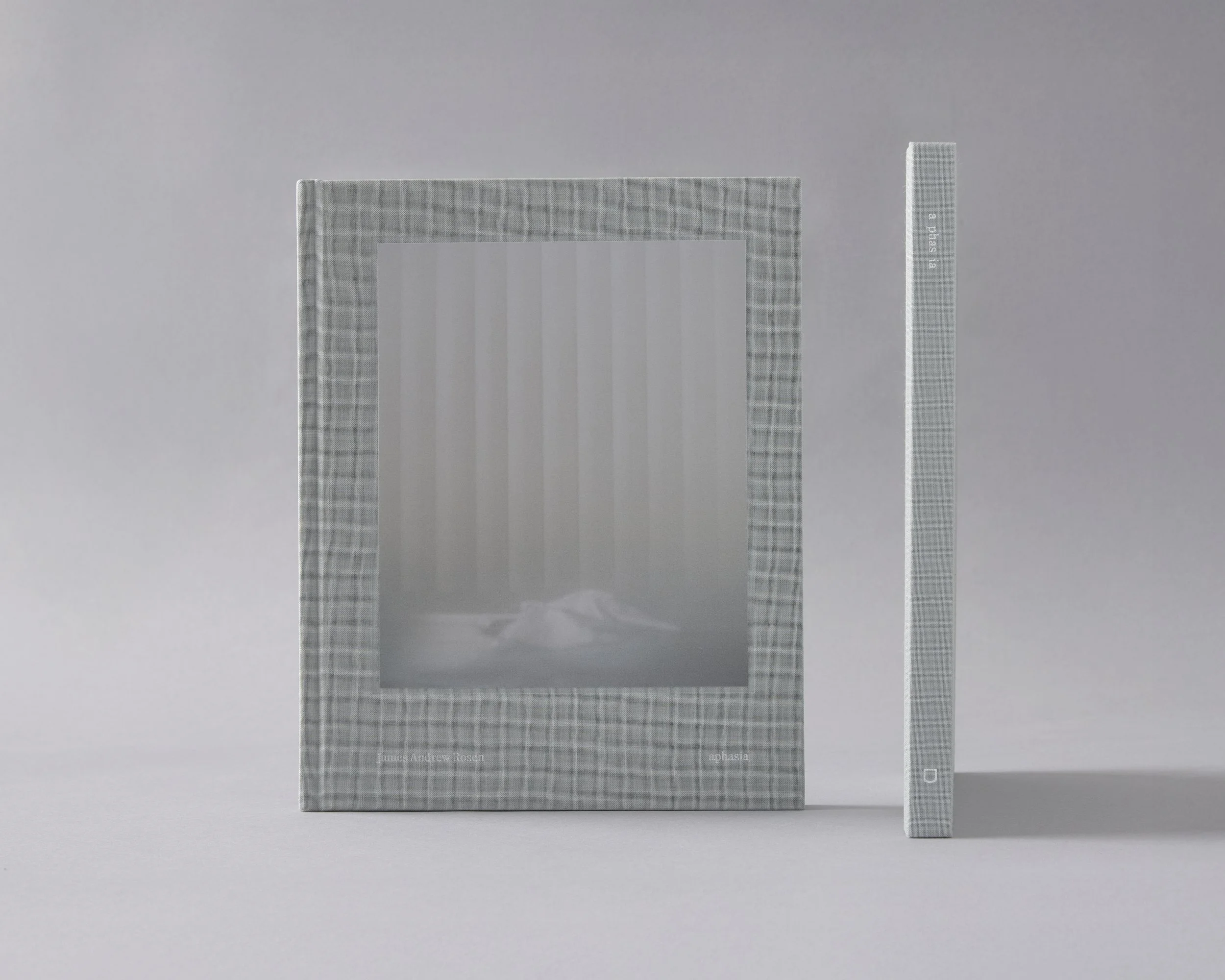
Aphasia by James Andrew Rosen
Published by Sternthal Books
