Artefacts and Anecdotes
I recently read a first novel. At the end of the book, the author shared a transcript from her grandmother. The transcript was not fiction, but it provided a foundation for the fictional work. Decisions the character took made more sense. The places and experiences described had greater depth.
The record in this case didn't exactly illustrate the story but it changed the weight of everything described in the book. The book would have been very different had I read the transcript prior to reading the story.
This mechanism between narrative (the overall story) and record (the anecdote, the photograph, the event, etc.) occurs in non-fiction as well. Families save records and tell stories. Organizations build histories without documenting them. And likewise, they save records without connecting them to a larger story. The story provides the context. The record provides a foundation anchored in reality.
Families often keep collections, letters, photographs, old emails without much context. Organizations keep archives the same way, filed, dated, unopened for lack of obvious relevancy.
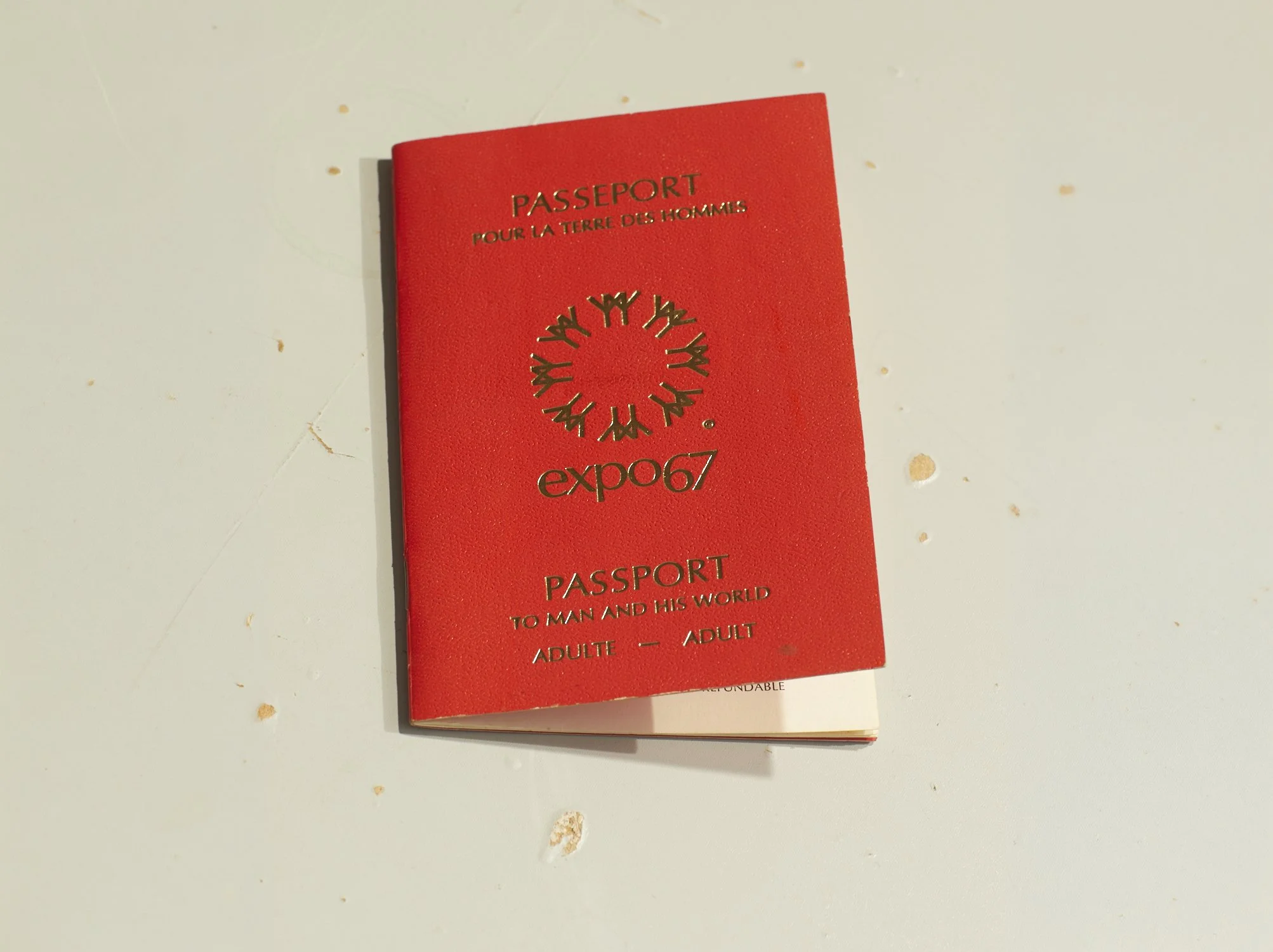
Canadian passport issued in 1967 for Expo67
The people who could explain what those records mean are still here. A record loses relevancy if those closest to it are unable to make the connection to a larger story. Without the storyteller, the record is open to multiple interpretations. Its real meaning can be lost or misunderstood.
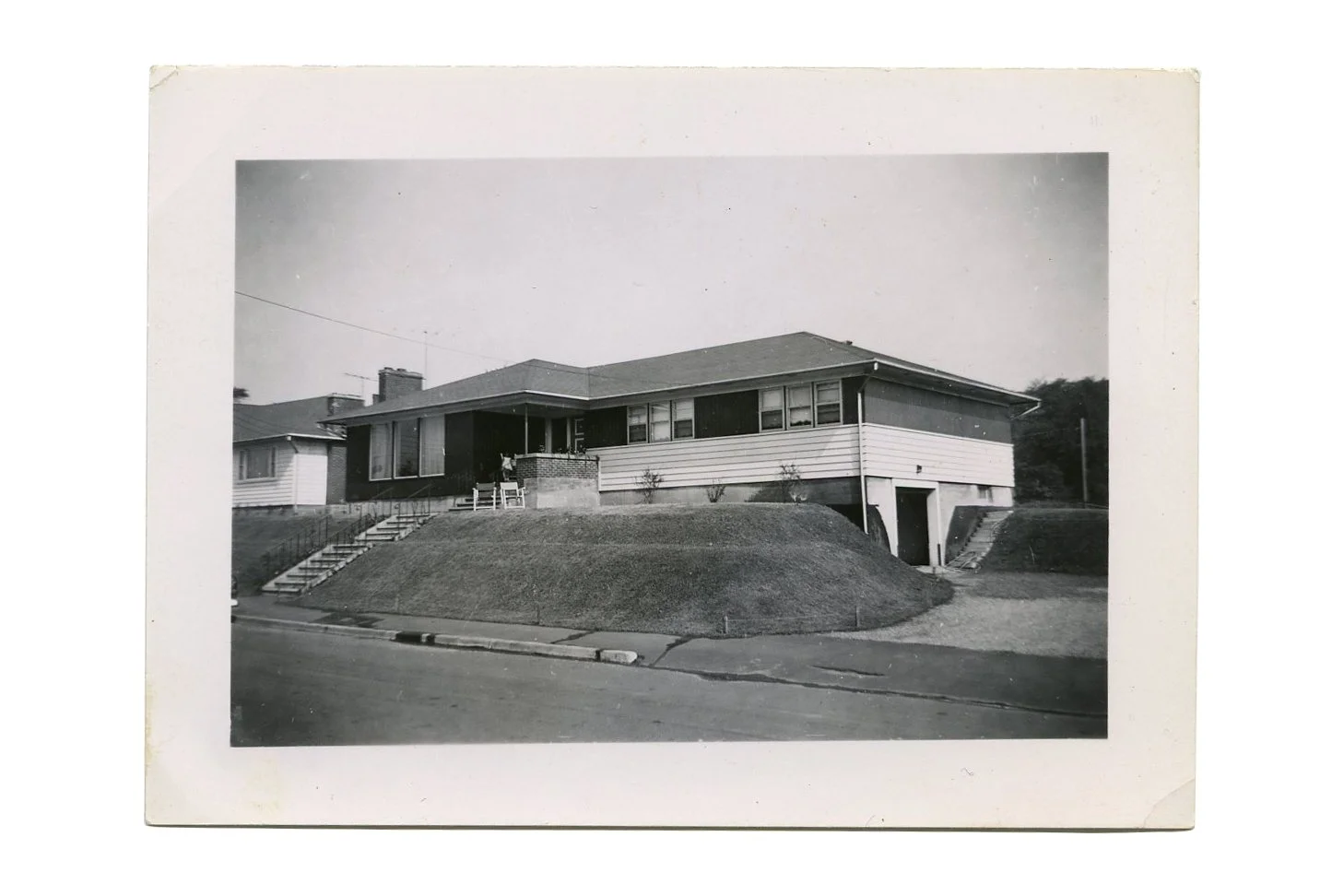
1950s Montreal
Most people who have a story worth preserving already know it. In many instances, what stops them from preserving that story is the uncertainty of knowing where to start, or the sense that the story is complete enough, or honest enough, as is.
One very productive place to start: pull that old artefact out of a drawer. What story does it whisper to you? That’s the thread that connects the archive to the life story.
